Quoting and Job Creation
We draft quotes from your rate library and past jobs for a quoter to check and send. Accepted quotes become jobs without retyping.
Hunter Campbell × ELab Webinar AI and the Evolving Workplace: Opportunities for People and Business
Watch NowField Services
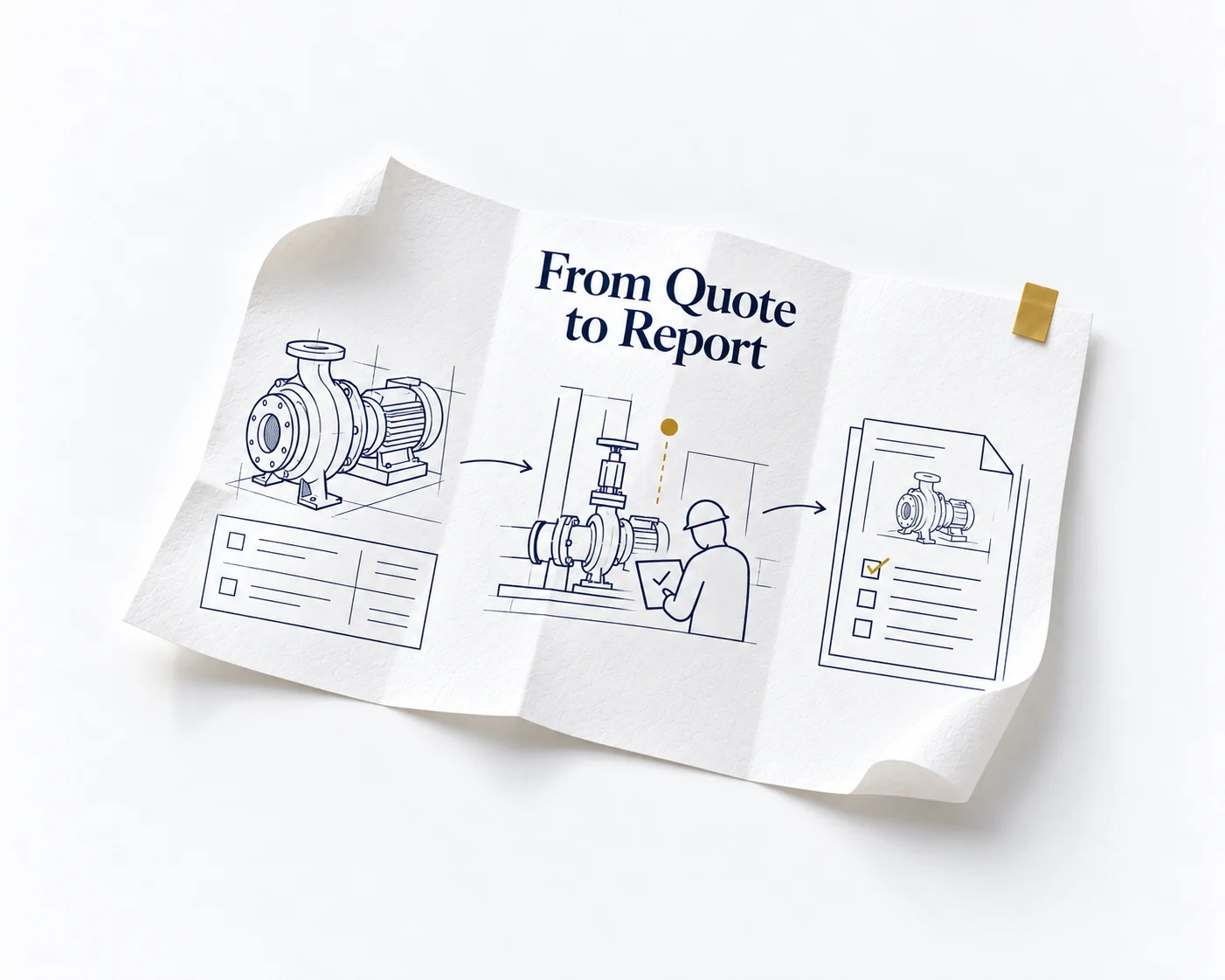
We map how a job moves from quote to report and build AI into the work, so your team can take on more jobs.
The people in your first meeting do the work, alongside your quoters, coordinators and crews.
Book a CallClients across New Zealand, Australia, Hong Kong and Singapore












The Challenge
A lean office sits behind a busy field team, and growth stalls on the admin around each job.
One long-serving person knows the rates and margins. When they're away, quotes wait, and each quoter prices a little differently.
Job sheets come back late or incomplete, then the office types them in again. Work that isn't recorded doesn't get billed.
Inspection forms, site packs and compliance reports get written up after a long day, in a different format each time.
You've tried dispatch and job packages that don't fit how you work. Spreadsheets fill the gaps, and Copilot licences go mostly unused.
We fix the process first, and a person checks every quote and report before it's used.
What We Build
Each workflow runs on your own rates, procedures and templates. The hidden-cost framework is the calculation we use when free tools are already in use on site.
We draft quotes from your rate library and past jobs for a quoter to check and send. Accepted quotes become jobs without retyping.
Crews record job sheets and scope notes by voice on site. The workflow asks for anything missing, then sends them to the office.
Site packs and compliance reports drafted from handwritten forms, photos and your templates, and checked before they're sent.
In Practice
Nine quoters at Evergreen Landcare now share one quoting workflow, and our third engagement there connects quotes to its job system.
Industrial OperationsInspection forms took 40-60 minutes each to type up. AI now reads and checks them, and a coordinator reviews every form.
Read the Case StudyConstructionSite knowledge sat with a few people. Voice capture and documented procedures now move field data to the office 80% faster.
Read the Case StudyField ServicesField staff now record jobs by voice for the admin team, and AI tools give office staff 2-3 hours back each week.
Read the Case StudyHow It Works
Each phase has a fixed fee and a clear scope before it starts.
3 to 4 weeks
We map the business, run one workshop and put one live workflow in place.
3 to 6 weeks each
Each sprint covers quoting, job creation, field capture or reporting, following the roadmap.
After go-live
We keep the workflows current as your business and the AI tools change.
In Their Words
I've bashed two quotes out of it this morning. It's really good for those ones, one to five line items.
Ben Cunningham, Managing DirectorPractical Questions
We're based in Auckland and work across New Zealand and Australia, in person and remotely.
Yes. We build for people on site, on a phone and often by voice. Field capture checks for missing details and sends the information straight to the office, so nobody has to sit at a desk to use it.
We connect the AI to the systems you already run, such as job management, dispatch and accounting software, and build integrations where a workflow needs them. We work with Claude, ChatGPT or Microsoft Copilot, whichever fits your environment.
Each workflow works from your own rate library, procedures and past jobs. A person checks every quote, report and safety document before it's used, and every workflow has an owner on your side.
That's often where we start. We work with that person to write down how they price, plan and check the work, then turn it into workflows the whole team uses, held in your own systems.
Yes, where crews work on site and send job sheets and site reports back to the office. Bridge It NZ, a specialist bridge contractor, now moves field data to the office 80% faster with voice capture and documented procedures. Read the case study.
A Good Place to Start
Thirty minutes on how a job moves through your business. No preparation or project brief needed.
Book a Call hello@elab.co.nz